Minority ethnic patients in England less likely to have breast cancer found through screening, study finds
A University of Surrey analysis of more than 86,000 diagnoses links ethnicity and deprivation to later and more urgent routes to a breast cancer diagnosis.
By News Media House Staff ·
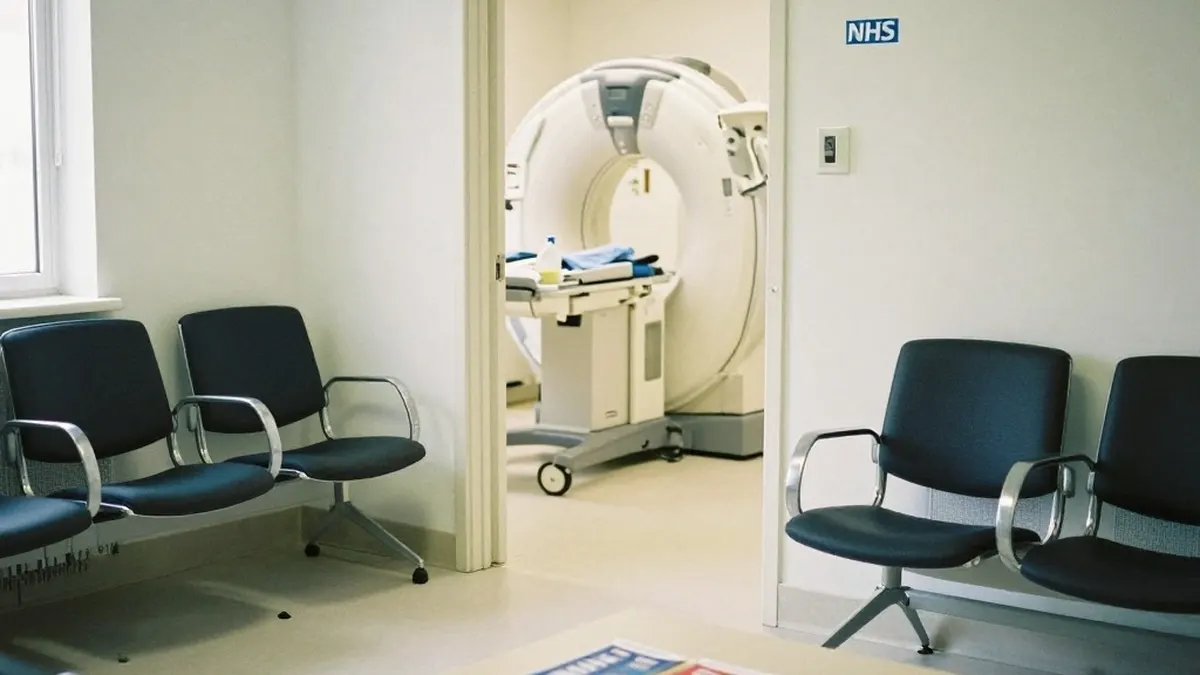
People from minority ethnic backgrounds in England are up to a third less likely to have their breast cancer found through routine screening, and are more likely to be diagnosed in an emergency, according to new analysis.
The work was carried out by academics at the University of Surrey and funded by the charity Breast Cancer Now. It examined records for 86,564 adults diagnosed with the disease between 2009 and 2019, drawing on the Clinical Practice Research Datalink and the Cancer Registration Tumour and Treatment datasets.
Researchers found that people from Black, Asian and mixed backgrounds, as well as those from deprived backgrounds, were up to 33% less likely to be diagnosed through screening. The same groups were up to 31% more likely to be diagnosed after an urgent suspected cancer referral, and up to 37% more likely to be diagnosed after presenting as an emergency.
The study also looked at people with a learning disability. Their time to diagnosis was 18% longer than for people without one, and they faced a 10% longer wait for treatment.
Manveet Basra, associate director of public health, inclusion and awareness at Breast Cancer Now, said people from marginalised groups "face inequalities at every stage of their breast cancer experience, and tragically this impacts their survival rates". She said the findings help show who is less likely to be diagnosed through screening or may wait longer for diagnosis or treatment, and that understanding the barriers is the first step toward removing them. Basra said the charity funds research on inequities and works with policymakers to improve equal access to screening.
Dr Rob Kerrison, associate professor of cancer care and co-lead of the cancer care expert group at the University of Surrey, led the study. He said some groups of women in the UK are known to have poorer breast cancer survival, but the reasons have been only partly understood. "Our findings suggest that inequalities in access to screening and timely treatment may be part of the explanation," he said. Women from disadvantaged and under-served groups were less likely to have their cancer detected by screening and often waited longer to start treatment. "If we are serious about improving breast cancer outcomes, we need to ensure that everyone can access screening and receive prompt treatment, regardless of their background or circumstances," Kerrison said.
Breast cancer is the most common cancer among women worldwide. It accounts for about one in four cancer cases and is one of the leading causes of death in women under 50. Identifying women at higher risk early can open the way to additional screening or preventive treatment.
The findings add to existing evidence of unequal cancer outcomes. An analysis of the NHS cancer patient experience 2022 survey by QualityWatch, a joint programme of the Nuffield Trust and the Health Foundation, found that one in five people across England need three or more GP interactions before a cancer diagnosis. For people from ethnic minority backgrounds the figure rises to one in three.
Research from the UK Health Security Agency has also suggested that young Black women are more likely to have aggressive breast cancer tumours, experience poorer care and have higher mortality rates, yet are significantly under-represented in clinical research.
Originally published by News Media House · Source: The Guardian