Moon Landing Needs 22 Ship Launches
A new internal estimate suggests the Artemis program requires significantly more fuel tankers than previously thought to support a crewed lunar mission.
By Jian Chen ·
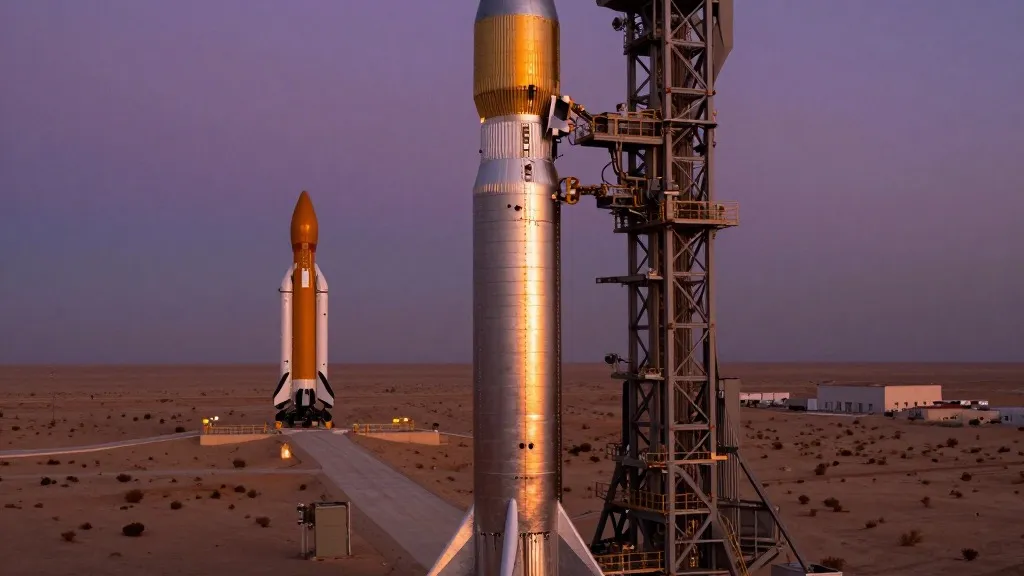
NASA now believes it needs 22 launches of the Starship rocket to fuel a single lunar lander. This is the latest figure to emerge from the agency's efforts to return humans to the Moon. The number is higher than many public officials have previously suggested. It reflects growing concerns about the timeline for the Artemis program. The agency is relying heavily on SpaceX to deliver the necessary propellant to orbit.
For years, this specific metric has been one of NASA's most guarded secrets. Officials often avoided giving a precise count, comparing the opacity to hiding nuclear codes. In 2023, Lisa Watson-Morgan, then the director of the Human Landing System, told reporters that the agency had a general idea but was reluctant to be specific. She described the number as being in the high single digits to low double digits. That estimate implied around a dozen launches. It required one depot vehicle and eleven tanker flights to load it with liquid oxygen and methane.
Other NASA officials have at different times cited numbers in the high teens. The underlying hope was always that SpaceX would improve the lift capacity of the Starship rocket. Better performance would mean fewer tanker flights were needed to fill the lander. However, recent signals from within the agency suggest this improvement may not be coming soon. There is worry that the vehicle's capabilities are not advancing fast enough to support a crewed mission this decade.
The new estimate of 22 launches was discussed during a recent public meeting. The NASA Aerospace Safety Advisory Panel held its quarterly session on Thursday. Panel member Charlie Precourt, a former astronaut, spoke about the risks involved in landing humans on the Moon. He highlighted the complexity of assembling the lander in low-Earth orbit. The process involves stacking multiple vehicles and transferring vast amounts of fuel in the void of space. Each additional launch adds layers of complexity and risk to the operation.
The shift to a higher number indicates a potential strain on the program's schedule. If SpaceX must launch nearly twenty-five tankers and depots, the logistical burden increases significantly. The agency must coordinate these flights with its own spacecraft. Any delay in the tanker flights could push back the entire mission. This is a critical dependency for the Artemis architecture. The lander cannot leave Earth orbit until it is fully fueled.
The uncertainty has plagued the program since its inception. The reliance on a commercial partner for such a vital component creates a unique challenge. NASA does not control the development pace of the Starship vehicle. It must adapt its plans to the capabilities available at the time of the mission. The current estimate suggests the agency is planning for a less optimistic scenario regarding vehicle performance. This conservative approach aims to ensure the mission is viable even if improvements are slower than hoped.
The financial and operational implications of twenty-two launches are substantial. Each flight represents a significant cost and a potential failure point. The agency must manage these risks carefully. The safety panel's discussion underscores the importance of these numbers. They are not just logistical details; they are central to the feasibility of the mission. The public has long waited for a clear answer on this front. The new figure provides a concrete, if daunting, benchmark for the work ahead.
What happens next will depend on how SpaceX responds to these requirements. The company must demonstrate that it can execute this volume of launches reliably. NASA will likely continue to monitor the vehicle's performance closely. The agency may adjust its plans based on future test flights. The goal remains to land astronauts on the Moon and return them safely. The path to that goal now includes a much longer list of required launch events. The stakes are high for both the agency and its commercial partner.
Source: Ars Technica