New Firm Builds Genetically Enhanced Military Dogs
A new venture backed by significant funding plans to engineer working dogs for military and law enforcement use.
By Rahul Mehta ·
The U.S. military’s pipeline for working dogs is drying up, but a new venture is emerging to engineer a solution. A company formed to address the shortage of service animals is coming out of stealth with substantial backing. The project involves creating specialized canines designed to assist personnel in dangerous environments.
The company, Warhound, has secured $200 million in funding, a round that values the business at $1.2 billion. Investors in the venture include Sequoia, 8VC, Corner Ventures, and In-Q-Tel, the venture firm backed by the CIA and other U.S. intelligence agencies. The capital will support efforts to genetically modify dogs to perform specific high-risk tasks.
The initiative addresses a critical logistical gap within the Department of Defense. According to the company, over 80% of the U.S. military’s working dogs are currently sourced from Europe, yet fewer than half of those animals are ultimately fit for service. This reliance on foreign supply chains, combined with attrition, has led to a dwindling supply of animals capable of performing specialized operations.
The effort is a joint venture between Ben Lamm of Colossal Biosciences and Palmer Luckey of Anduril. The two executives connected regarding the welfare of military working dogs, which led to research into how these animals are bred and trained. Investigations revealed that many potential service dogs fail to complete training due to inherited conditions, including poor eyesight, cancer, hip dysplasia, and muscle atrophy.
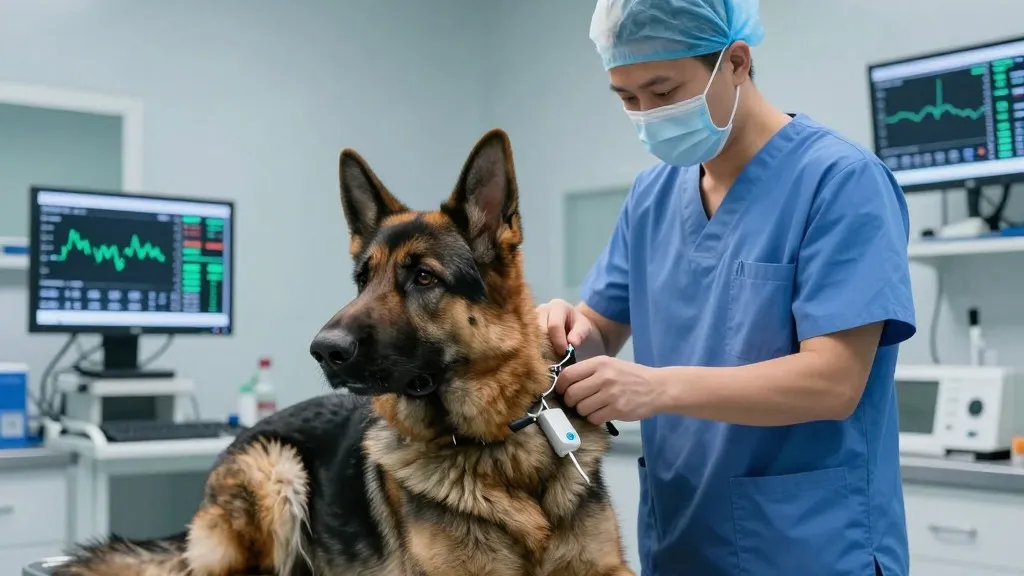
Warhound aims to solve these biological failures through genetic modification. The company intends to take cell lines from high-performing breeds, specifically the Belgian Malinois and German Shepherd, and bank them. From there, the team plans to edit the genetic code to remove traits associated with disease and enhance physical attributes such as speed, agility, and olfactory capabilities for bomb detection.
In addition to biological engineering, the dogs will be equipped with technology provided by Anduril. This hardware will include protective vests and goggles designed to assist handlers with situational awareness. For example, vests may contain sensors capable of transmitting data back to human handlers regarding the dog's status and surroundings.
“The idea is, if we make the dog safer, make it healthier, make it perform better, it’s going to perform better in the line of duty,” Lamm said. He noted that while Colossal owns equity in the business and licenses technology to it, Luckey is a partner in the venture but holds no equity.
The first batch of dogs is currently being prepared for cloning and incubation, with births expected early next year. The company projects that service deployment could begin within two years. Viagen, a company owned by Colossal Biosciences, will partner with Warhound to perform the cloning process.
Warhound has not yet determined pricing for the dogs but intends to sell to the Department of Defense, military service groups, police forces, and first responders. The company stated it is operating under the guidance of the American Humane Society to certify its training program. The organization expressed support for the initiative.
“We applaud Warhound and Colossal for inviting the country’s first national humane organization, which is grounded in science and ethics, to have a seat at the table,” the American Humane Society said. The organization added that it looks forward to working with them to help ensure animals in their care are treated humanely.
Source: TechCrunch