Satellite Dependence: Ukraine Seeks Alternatives as Starlink Service Wavers
Facing recurring outages and political volatility, Kyiv and European allies are accelerating efforts to reduce reliance on SpaceX's satellite network.
By Thabo Mokoena ·
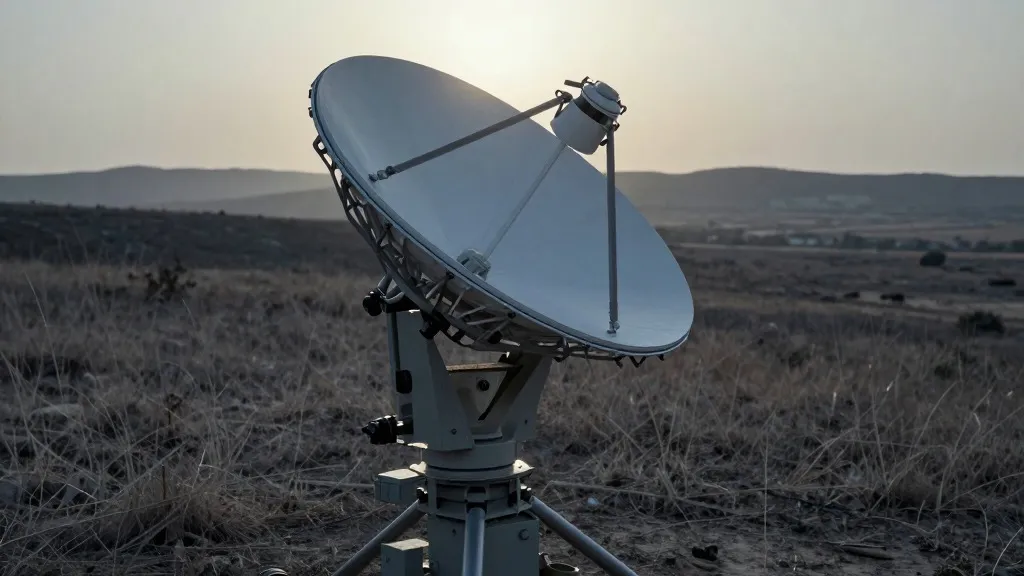
Ukrainian defense officials are urgently evaluating alternatives to the Starlink satellite system after recent, unexpected service disruptions in the country. These outages have intensified a growing concern among Kyiv and its European partners about the long-term reliability of the network. The situation has forced military and civilian leaders to ask difficult questions about how to maintain critical communications if the primary provider becomes less available or stable.
The instability is not merely a technical glitch. It is increasingly linked to the political views of the service's owner, Elon Musk. This intersection of business and politics has made the network seem less predictable to foreign governments that have invested heavily in it. As a result, Ukraine is no longer treating Starlink as a permanent, unshakeable foundation for its digital infrastructure. Instead, it is viewing the system as a critical but fragile component that requires backup plans.
Three key factors are driving this shift in strategy. First, the network has become the backbone for both civilian internet and military operations, making any downtime a significant tactical risk. Second, the cost of entry and ease of use have made it the dominant choice, leaving few immediate competitors. Third, the political environment surrounding the service's leadership has introduced a new layer of uncertainty that technical teams cannot easily solve. These elements combined are pushing decision-makers to diversify their technology stack.
Starlink remains the most effective tool for many users because of its superior coverage and low barrier to entry. A representative from the Ukrainian defense company BlueBird Tech noted that the system offers some of the best satellite coverage available. They stated, "In practical terms, the main limitation is the need to position the antenna so it can receive signals from the satellites." This ease of use has allowed for rapid deployment in the field, a capability that is hard to replicate quickly with other options.
The financial commitment to the system is substantial. The US government, along with European nations like Germany and Poland, has paid for tens of thousands of commercial terminals. They have also covered the ongoing subscription fees to keep the service active. Furthermore, the US provided access to a military-grade version called Starshield. This specialized version allows Ukrainian defense firms to test new technologies in cooperation with the military, creating a deeper technical dependency than simple internet access.
Looking ahead, the focus is on building resilience. While Starlink will likely remain a central part of Ukraine's communications for the near term, the era of total reliance is ending. The recent disruptions serve as a wake-up call that a single provider, no matter how capable, poses a strategic risk. European and Ukrainian officials are now working to identify and fund alternative solutions. This includes exploring other satellite constellations and developing indigenous communication capabilities. The goal is to ensure that the flow of data, whether for drones or daily life, remains secure regardless of the political or technical status of the leading commercial provider.
Source: Ars Technica