Tesla Cybercab to reach private buyers before 2026 ends
Tesla confirms that its autonomous two-seater will begin limited customer deliveries by year-end, with most units remaining in the company's own Robotaxi fleet.
By Jennifer Paige ·
The era of waiting for Tesla’s most radical vehicle has officially come to a close. After months of speculation and shifting timelines, the company has locked in a concrete schedule for when its first driverless passenger car will leave the factory and into private hands.
During Tesla’s third-quarter 2026 earnings call on October 21, the company revealed that it intends to begin delivering Cybercab units to customers before the end of the current calendar year. This announcement puts a definitive date on a vehicle that has previously existed largely as a production line fixture and a test fleet asset, signaling that the transition from prototype to consumer product is now in its final stages.
Lars Moravy, Tesla’s Vice President of Engineering, provided the primary details on the timeline. He stated that the goal is to have Cybercabs in the hands of customers by the end of 2026. However, Moravy clarified that current production output at Gigafactory Texas is entirely dedicated to Tesla’s internal Robotaxi fleet. This means that while the vehicles are being built, the initial wave of customer deliveries will be modest in scale as the company refines its logistics and ownership models.
The business model for the Cybercab is distinct from Tesla’s traditional approach. CEO Elon Musk emphasized that the vehicle is designed primarily as a “transport-as-a-service” offering rather than a standard personal car. Unlike the Model 3, Model Y, or the upcoming Roadster, which are built for private ownership, Musk stated that the vast majority of Cybercab units will remain Tesla-owned. This suggests that individual buyers will be a small minority compared to the large fleets that will dominate the vehicle’s early distribution.
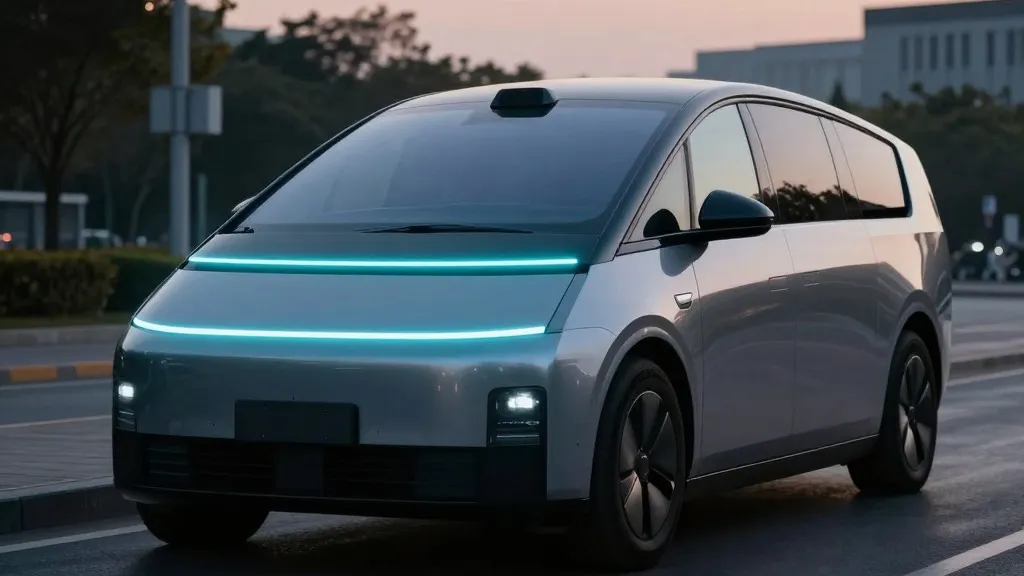
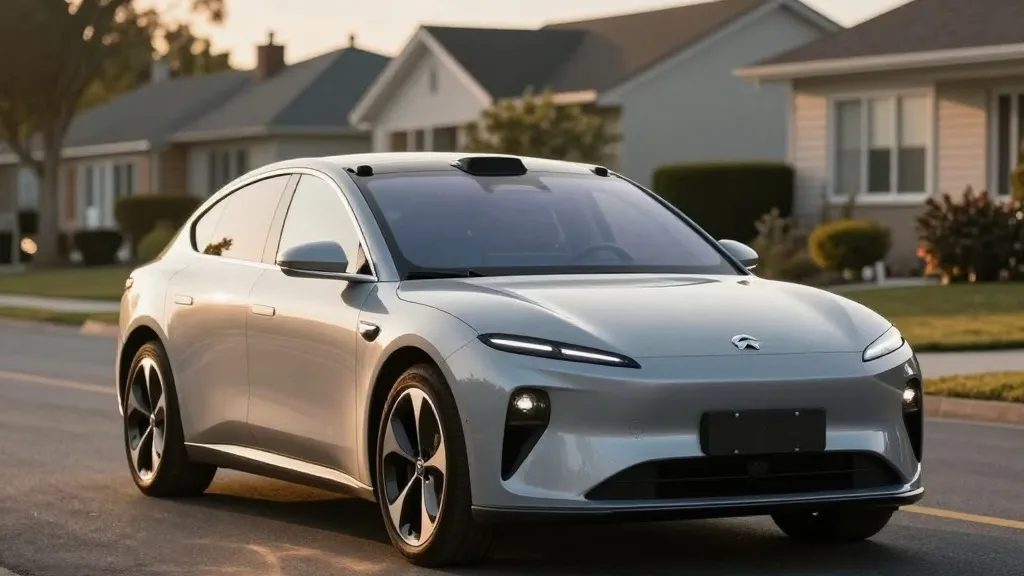
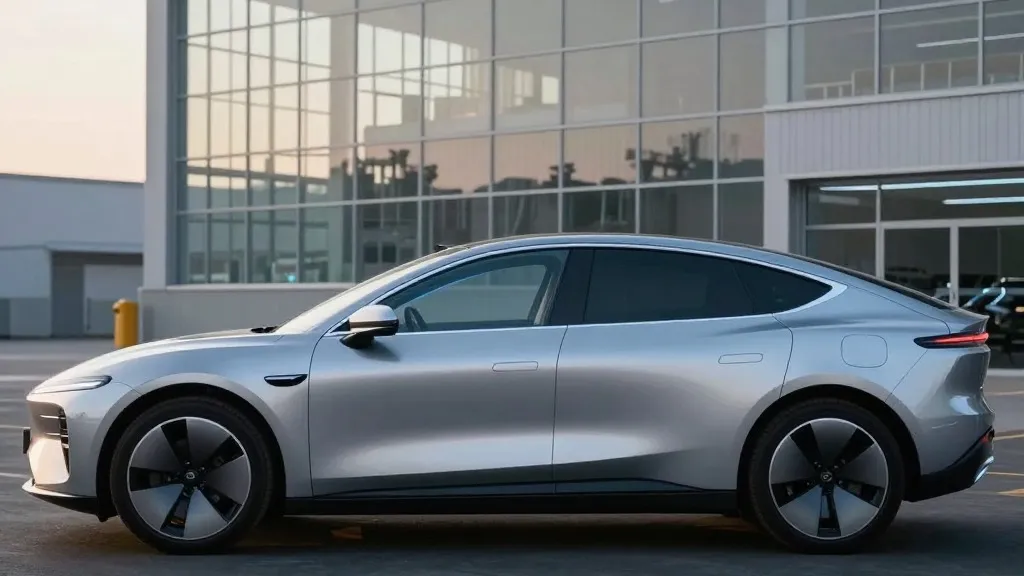
The Cybercab itself is a two-seater vehicle that omits traditional controls such as a steering wheel and pedals. It relies exclusively on Tesla’s Full Self-Driving software to operate. Production of the vehicle began in February of this year, and the first units entered the public Robotaxi service in early September. Tesla has previously indicated that the price point for these vehicles will be approximately $30,000, making them a significant value proposition for both the company and its users.
While the delivery date is set, the path to full autonomy for private owners involves several regulatory and technical hurdles. Ashok Elluswamy, Tesla’s Head of AI, noted during the earnings call that unsupervised Full Self-Driving is expected to ship to consumer vehicles in the second quarter of 2027. This timeline suggests that early Cybercab buyers may operate their vehicles in geographically restricted areas where regulatory agencies have not yet fully approved autonomous operation.
The limited initial release serves as a testing ground for Tesla. The company aims to gain experience in managing fleet operations, handling ownership models, and overseeing autonomous vehicles outside of its direct control. By starting small, Tesla can identify and address logistical challenges before scaling up production and delivery to a broader customer base.
As the year draws to a close, attention will turn to the first batch of Cybercabs delivered to private customers. These early adopters will provide critical feedback on the vehicle’s reliability and the user experience of owning a driverless car. For Tesla, the success of these initial deliveries will determine the pace at which the Cybercab becomes a mainstream part of its vehicle lineup.
In the coming months, Tesla will continue to balance the production needs of its internal Robotaxi fleet with the growing demand for private ownership. The company’s ability to manage this dual-track production strategy will be a key factor in meeting its year-end delivery targets.
With the timeline now public, the automotive industry is watching closely to see how Tesla navigates the final steps of this ambitious launch. The Cybercab represents a significant shift in how the company views vehicle ownership and autonomy, and its early performance will likely set the stage for future autonomous vehicle deployments.
Source: Teslarati